Strings Attached: Three UK Pubs Where the Back Room Goes Baroque
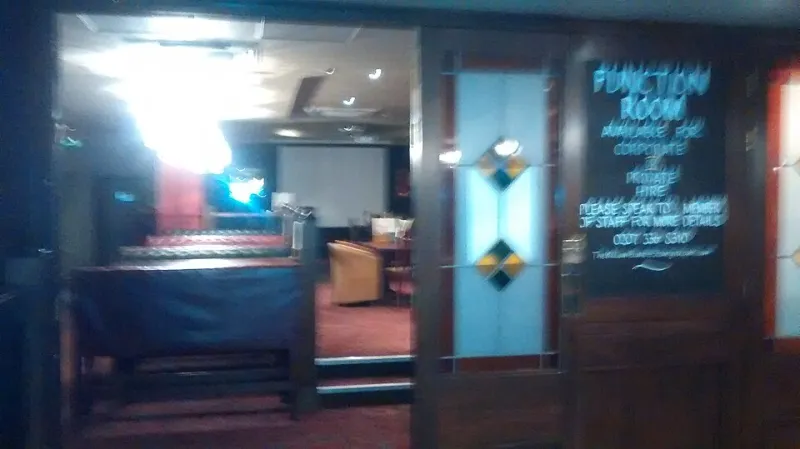
Photo: Fabian Tompsett (WMUK), CC BY-SA 4.0, via Wikimedia Commons
There is a particular sound in a British pub at 7.58pm when a cellist is trying to tune beside a fruit machine. It is not sacred. It is better than sacred: it is slightly awkward, completely human, and oddly moving. Classical music in a pub back room does not ask you to dress up or pretend you understand sonata form. It asks you to buy a drink, find a chair, and stop talking when the singer starts.
Here are three UK pubs where serious music gets a proper round — the kind of rooms where a string quartet, a scratch opera night or a chamber group can share a building with pork scratchings and a slightly sticky carpet.
The Harrison, King's Cross, London
The Harrison is a proper London pub with a proper basement venue, and it has spent years letting classical and opera nights share a bill with folk, indie and whatever else fits through the door. The room is small enough that you can see the page turns. That is the whole appeal.
What to expect: scratch opera, chamber groups and the occasional classical-adjacent cabaret. The seating is informal, the acoustics are better than a basement has any right to be, and the atmosphere is closer to a gig than a concert hall. You will hear coughs. You will hear the bar till. You will also hear a soprano fill the room without a microphone, which is its own kind of magic.
Rough ticket price: £8–£15, depending on the night and the outfit. Check listings rather than assuming there is a weekly classical slot; these rooms are busy and programmes move around.
What to drink: a sessionable pale ale or a glass of red. Avoid anything in a glass that clinks during the quiet bits. If you are nervous about etiquette, a pint gives you something to do with your hands.
Etiquette: arrive early enough to get a seat without crawling over strangers. Turn your phone off, not just silent. Clap when the room claps; if you are unsure whether a piece has ended, wait for the performers to drop their shoulders. Do not shout 'he's behind you' during Tosca, however tempting.
The Old Joint Stock, Birmingham
The Old Joint Stock is a Victorian banking hall that has been repurposed into a pub with a theatre upstairs. It is ornate, slightly absurd and exactly the sort of room where opera makes sense. You drink under high ceilings, then climb the stairs to a small theatre where the audience is close enough to see the pianist's expression.
What to expect: opera scratch nights, chamber recitals and small-scale classical performances. The theatre is intimate, the programming is varied, and the whole experience feels like a well-kept secret that happens to serve cask ale.
Rough ticket price: £10–£18 for most theatre events. Some nights are cheaper, some are benefit nights; check the 2026 listing before you budget.
What to drink: a cask ale or something dark and steady. The stairs are steep, so pace yourself. A large glass of wine before a two-hour opera is a bold strategy.
Etiquette: the same rules apply as anywhere else — phones off, talking down, applause at the right moments. But the Old Joint Stock is relaxed enough that you can quietly slip out if you need the loo. Just do it between numbers, not during the dying aria.
The Lion and Unicorn, Kentish Town, London
The Lion and Unicorn is a pub theatre with a back room that has hosted opera-in-the-pub nights, comedy, plays and all the scrappy, brilliant stuff that makes London's fringe feel alive. It is not fancy. That is the point. You are watching serious music in a room that also hosts stand-up, and somehow the lack of polish makes the whole thing more moving.
What to expect: intimate opera and chamber performances, often with a stripped-back staging and a piano rather than an orchestra. The audience is close, the acoustic is dry and honest, and the performers are usually within touching distance of the front row.
Rough ticket price: £10–£15. Check listings; the theatre's programme is varied and classical nights are not always weekly.
What to drink: a Guinness or a house red. Avoid crisps during the quiet bits. There is a special circle of hell reserved for the person who opens a packet of salt and vinegar during a Schubert slow movement.
Etiquette: arrive early, buy your drink before the set, and do not talk during the performance. If you arrive late, wait for applause before finding a seat. Tip the performers if there is a bucket, and do not put your pint on the piano. It has been done. It never ends well.
The back-room rules
Classical music in a pub is not a lesser version of the concert hall. It is a different pleasure: closer, scruffier, more human. You can hear the performers breathe. You can see the rosin dust. You can buy a packet of peanuts at the interval.
The etiquette is simple. Buy a drink. Arrive on time. Turn your phone off. Clap when everyone else does. And if a string quartet is tuning up beside the fruit machine, give them the same courtesy you would give a band: shut up, listen, and let the music do its odd, brilliant thing.