Stained Glass, Starker Statements: Three Cathedrals With Modern Art in the Side Chapels
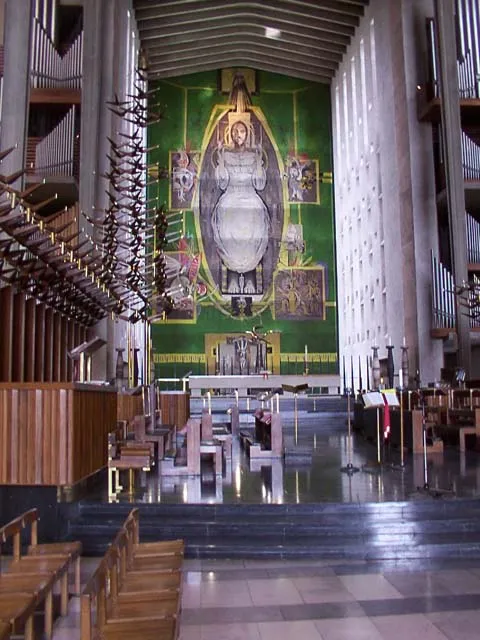
Photo: Lynne Glazzard, CC BY-SA 2.0, via Wikimedia Commons
Cathedrals are the original free galleries. People go for the stone, the silence and the chance to sit down without buying a coffee, then walk straight past the modern art hiding in the side chapels. This is a mistake. From bold stained glass to sculptures that look like they might answer back, the UK's cathedrals are full of contemporary commissions that sit quietly alongside centuries of masonry. Here is a pilgrim's guide to three of the best, plus how to read the clash of old and new without pretending you understand the leaflet.
Why the Clash Works
A side chapel is an intimate space. You are close enough to notice the grain of the stone and the way a modern window changes colour as the sun moves. Old cathedrals are palimpsests — layers of rebuilding, bomb damage, restoration and quiet additions. Modern art in that setting is not a museum label; it is a conversation. The trick is to look for scale, material and light. A smooth aluminium sculpture in a medieval chapel is meant to feel slightly jarring. A tapestry the size of a tennis court is meant to make you sit down. And the best gallery in town is still free and has a spire.
Coventry Cathedral: Tapestry, Epstein and the Ruins
Coventry is the obvious starting point because the modern art is not hidden at all — it is the point. Graham Sutherland's Christ in Glory (1962) fills the east end with a tapestry so large it makes the apse look underdressed. Outside, Jacob Epstein's St Michael and the Devil is a bronze stand-off that has been quietly unsettling visitors for decades. John Piper's stained glass turns the aisle windows into abstract fire. The side chapels — the Chapel of Unity and the Chapel of Christ the Servant — are where the mood shifts from spectacle to something more private. Seek out the charred cross and the Cross of Nails; they are the emotional centre of the place. How to read the clash: the new cathedral sits beside the ruined old one, so the modern commissions are literally framed by bomb damage. Go on a weekday morning, check service times, and do not photograph people praying. Entry is free, donations welcome, and the spire is still there.
Chichester Cathedral: Chagall in the Aisle
Chichester is the sleeper hit. You come for the spire and the medieval stone, then find Marc Chagall's stained glass window (1978) glowing in the north aisle like a jewel someone left behind on purpose. Behind the high altar, John Piper's tapestry (1966) is a riot of colour that makes the reredos look shy. In the south transept, Graham Sutherland's Noli Me Tangere (1960) is a small, strange painting that rewards a long look. The side chapels are where you feel the building breathe: quiet, cool, and full of small labels you have to squint at. How to read the clash: Chichester's modern pieces are not shouting; they are whispering. Look for how the artists use colour to answer the stained glass around them. Best time: weekday mid-morning or mid-afternoon, avoiding services. The stewards are friendly and know where everything is, so ask.
Llandaff Cathedral: Epstein in the Concrete Arch
Llandaff, in Cardiff, has the most dramatic modern intervention of the three: Jacob Epstein's Christ in Majesty (1957), a gaunt aluminium figure suspended in George Pace's concrete arch. It is strange, uncomfortable and completely unforgettable. John Piper's windows add another layer of abstraction, and the Rossetti triptych in the St David Chapel is a reminder that 'modern' is a moving target. The side chapels here feel like rooms in a house that has been extended by several centuries. How to read the clash: Epstein's figure is not decorative; it is a statement about rebuilding after war. Stand underneath it and look up. Best time: weekday morning, when the light is soft and the volunteers are arranging flowers. Free entry, donations welcome, and the spire is a good landmark if you get lost in the car park.
A Pilgrim's Practical Notes
Cathedrals are free, but they are not free to run. Put something in the donation box. Check service times before you go; nothing ruins a quiet art appreciation session like accidentally joining a Eucharist. Do not photograph during worship. Ask stewards for directions to specific works — they are usually delighted to help and will tell you the good stuff. Bring binoculars if you want to read small labels or look at window details. And remember: the best gallery in town might still be free, have a spire, and sell a decent cup of tea in the cloister. The modern art is in the side chapels. Go and find it.