The Gavel Can Wait: Three UK Salerooms Where the Preview Is the Whole Show
An auction preview is the closest Britain gets to a free country-house party where the guests are all objects and the small talk is a condition report. You do not need a paddle, a deposit or a plausible excuse about being ‘in the trade’. You need a free afternoon, a bit of curiosity and the ability to nod thoughtfully at a 19th-century teapot.
The saleroom is not a museum. The labels are more honest, for a start: ‘probably’, ‘attributed to’, ‘with restoration’. The atmosphere is hushed but not precious. Somewhere a specialist is turning a vase upside down. A porter is carrying a chair like it owes him money. And in the corner, a collector is pretending not to look at the thing you are both obviously looking at.
That is the joy of the preview. The auction itself is a different sport, all raised eyebrows and telephone bids. The viewing is the trailer, the backstage tour and the interval drinks rolled into one.
The cheapest theatre ticket in Britain
Most major UK salerooms open their pre-sale viewings to the public free of charge. You can wander in, pick up a catalogue, inspect the lots and leave without spending a penny. The plot is built in: provenance, estimate, condition, the occasional whiff of scandal. The characters are excellent. The specialists are part detective, part diplomat. The porters know where everything is and exactly how much you should not touch it.
A lot number is a tiny character with a backstory. Lot 47 might be a watercolour with a famous cousin. Lot 112 might be a silver spoon that has been polished by four generations and is now described as ‘well-loved’. You do not have to bid. You do not even have to stay for the sale. The gavel can wait.
Three salerooms worth a wander
Bonhams, London
Bonhams’ New Bond Street rooms are a good place to start if you want the full Mayfair theatre. The sales mix watches, jewellery, paintings, ceramics and the occasional object that looks like it escaped from a stately home via a mischievous aunt. Weekday mornings are calmer, which gives you a better chance of asking a specialist a question without competing with a queue of people who all claim to be ‘just looking’.
Check the sale calendar before you go. Different departments have different viewing times, and the good stuff is not always in the window. Ask at reception for the relevant catalogue and the viewing hours. Then adopt the correct expression: interested but not hungry.
Lyon & Turnbull, Edinburgh
Lyon & Turnbull’s Edinburgh saleroom has a friendlier, less cavernous feel than the London giants, which makes it ideal for the auction-curious. Scottish silver, furniture, paintings and assorted collectibles are displayed with enough space to circle them slowly and pretend you are considering ‘provenance’ rather than just enjoying being nosy.
It is the sort of place where a quiet question about a maker’s mark can turn into a ten-minute conversation about a whole century of Scottish design. Go on a weekday if you can, check the viewing times online, and build in a walk afterwards so you can discuss your imaginary purchases with the appropriate level of seriousness.
Dreweatts, Donnington Priory, Berkshire
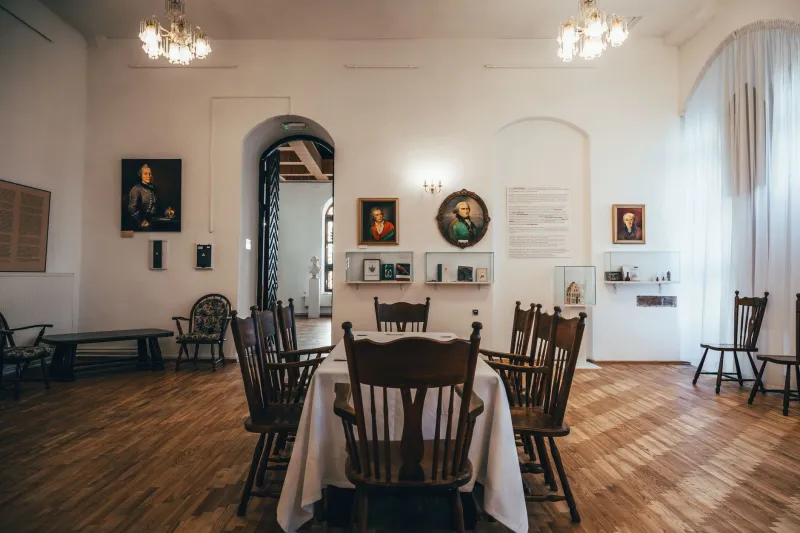
Dreweatts at Donnington Priory is the country-house option. The setting does a lot of the work: rooms, grounds and the pleasant illusion that you have been invited to appraise the contents of a very well-organised attic. Furniture, fine art and objects are laid out to be inspected, and the pace tends to be gentler than in a city centre saleroom.
This is a good pick if you like the idea of an auction preview as a mini day out. Check the sale calendar, confirm opening times, and do not treat the catalogue as a shopping list unless your definition of shopping includes ‘accidentally developing a strong opinion about a Georgian sideboard’.
How to read a catalogue without accidentally becoming an expert
An estimate is not a price. It is a polite opening gambit, sometimes optimistic, sometimes cautious, often best treated like a weather forecast for a country you have never visited. Read the condition report. Look for the words that do the heavy lifting: ‘after’ usually means a later copy, ‘attributed to’ means maybe, ‘manner of’ means probably not, and ‘with faults’ means bring your imagination and a torch.
If a lot catches your eye, note the number and ask for a condition report. You can do this without any intention of bidding. The catalogue is a story, not a contract. The fun is in learning to read the small print and realising that the most interesting object in the room is often the one with the longest explanation.
The etiquette of asking to see the good stuff
Ask a porter or a specialist rather than tapping on a glass case. ‘May I see the back of this?’ is a perfectly good opening line. ‘May I see the mark underneath?’ works too. Do not touch unless invited. Do not ask ‘what’s it worth?’ when ‘how’s the condition?’ will get you further and sound less like a daytime TV valuation. Do not monopolise the person who is clearly trying to keep eleven fragile things upright.
Photography is usually fine but ask first. Keep bags close. Do not lean on furniture that is described as ‘structurally sound but delicate’. And if someone else is inspecting the same lot, give them space. There is enough theatre for everyone.
Timing is everything
Weekday mornings are your friend. Previews often run for a few days before a sale, and the final afternoon can get busy with people who have suddenly remembered they need a chair. Check the saleroom’s website for exact viewing times, because they change by sale. Lunchtime can be lively; the last hour before closing can be rushed. If you want a specialist’s attention, go early and ask a specific question.
And remember: the preview is free, but the catalogue may not be. Many salerooms publish lots online, so you can do your homework on your phone and save your money for the important things, like tea and the imaginary bidding paddle you will never raise.
You can leave without buying. You can leave without registering. You can leave with a new favourite object, a new fact about a maker’s mark and absolutely no new sideboard. That is the preview’s quiet magic. The gavel is for buyers. The looking is for everyone.