Gloaming Wings: Three Stately Homes That Save Their Best Face for November
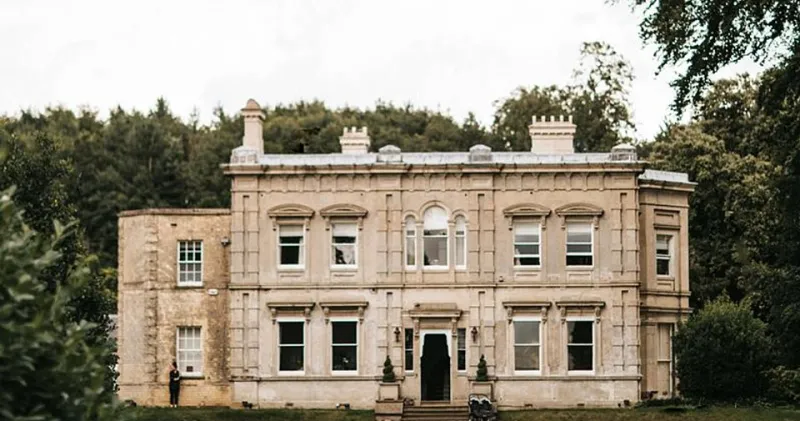
Photo: Maypm, CC BY-SA 4.0, via Wikimedia Commons
November is the month the UK country house stops pretending to be a family attraction and becomes a piece of theatre. The clocks have gone back, the car park is half empty, and the drawing room is doing what it was built to do: holding a small amount of grey light and making it look expensive.
This is not a Christmas-market guide. You can buy a scented candle in a barn anywhere. The point of a winter house visit is the house itself: the shuttered rooms, the firelit corridors, the bare gardens, the slightly feral pleasure of standing in a long gallery while the daylight outside gives up. Low light and thin crowds turn stately-home visiting into a proper performance, with architecture and social history doing the heavy lifting.
Here are three places where winter 2026 is the main event, not the consolation prize.
Knole, Kent: the house that invented gloom as a design feature
Knole is a rambling Tudor pile in Sevenoaks that looks as if it has been growing out of the Kentish soil since before the idea of a weekend break. In summer it can feel like a coach-trip conveyor belt. In winter, when the showrooms are on reduced hours and the deer park is doing its bare-tree thing, it becomes something stranger and better: a dark-wood labyrinth with a serious velvet habit.
The winter opening pattern at Knole tends to be a reduced-room, reduced-day affair, often with timed entry and a shorter afternoon window. For 2026, check the property's own calendar before you travel; do not assume the house is a drop-in anytime attraction once the cold arrives. That is the whole point. You book a slot, you arrive early, and you give the place your attention rather than your lunch order.
The joy here is the long galleries and the way a little winter light lands on old surfaces. You do not need a guide to tell you that the people who built this place were showing off. You can see it in the scale, the carving and the fact that every corridor seems to lead to another corridor. The social history is the good bit: upstairs, downstairs, servants' passages, families who owned more chairs than most villages.
Ightham Mote, Kent: moat, fireplaces and the pleasure of a small room
If Knole is a stately home that behaves like a small town, Ightham Mote is a stately home that behaves like a very well-connected cottage. It is moated, compact and beautifully awkward, with a courtyard and rooms that feel designed for a draught rather than a documentary.
Winter suits it. The approach across the moat is better when the water is grey and the trees are bare, and the interior is exactly the sort of place where a fire in the grate changes the entire emotional temperature. Ightham Mote's winter opening can be limited, often weekend-led or concentrated into shorter afternoon slots, so the 2026 rule is simple: check the National Trust page, book if booking is required, and do not turn up at 3.45pm expecting a full tour and a scone.
This is a house for people who like small rooms, old wood and the sense that history happened in spaces you could actually heat. The chapel, the Great Hall and the clustered passages reward slow looking. The best moment is usually not the grand reveal. It is the moment you notice a bit of carving, or a window placed exactly where a window should not be, and realise the building has been quietly edited for centuries.
When a steward is standing in a room, that is an invitation to ask a question, not a human bollard. Ask about the fire, the family, the restoration, the odd bit of furniture. Winter opening means fewer visitors and more time for exactly that sort of conversation.
Kenwood, London: the free hit with a lake and a Rembrandt
Kenwood is not technically a stately home in the full Downton sense. It is a neoclassical villa on Hampstead Heath with a lawn, a lake and a Rembrandt, which is close enough for our purposes and considerably easier to reach on a Tube.
It is also free, open year-round and one of the best winter-light buildings in London. The house sits above the heath, and in November the lake does the sort of silvery, low-slung reflection that makes everyone within fifty metres look like they are in a period drama. The rooms are elegant without being exhausting, and the collection gives you something to look at beyond another bit of gilded ceiling.
Because Kenwood is free and open all year, it does not have the same scarcity as a timed winter tour. That is its own pleasure. You can pop in for forty-five minutes, look at the paintings, stare out of a window and leave before your fingers go numb. But check the English Heritage site for winter 2026 room closures and event timings, because even a free house has a timetable and a tendency to close a wing when it feels like it.
The etiquette of lingering in a roped-off room
Stately homes are not museums in the white-cube sense. They are homes with ropes, stewards and a lot of things that would prefer not to be touched by your damp coat.
The correct technique is to linger at the rope, not over it. Stand still. Look properly. Ask the steward which object in the room they would save from a fire, and you will usually get a better answer than any audio guide. Do not lean on furniture, do not flash-photograph the paintings, and do not treat a closed door as a challenge. A roped-off room is not a rejection. It is a stage set, and you are lucky enough to be in the stalls.
If a room is small and another visitor is waiting, do your looking, have your moment and move on. Winter crowds are thinner, but they are not invisible. The whole point of a low-light visit is atmosphere, not a private audience with a chest of drawers.
Practical notes for winter 2026
Winter opening patterns at UK country houses are deliberately awkward: fewer days, shorter hours, last entry well before dusk, gardens closing when the light goes, cafés running reduced menus. Some houses open only selected rooms. Some run timed twilight tours that sell out before you have remembered it is November. Book ahead where booking exists, check the property's own website on the morning of your visit, and assume the phrase 'house open' means 'house open within a specific and slightly mysterious window'.
Wear layers. Bring a torch for the car park. Treat the twilight tour as the sweet spot: arrive in daylight, leave in dusk, and let the building do the dramatic lighting for you. Daylight may be a luxury after the clocks go back, but in the right house, a little goes a very long way.