Curtain Up, Needle Down: Three UK Record Shops Where the Listening Booth Is the Main Event
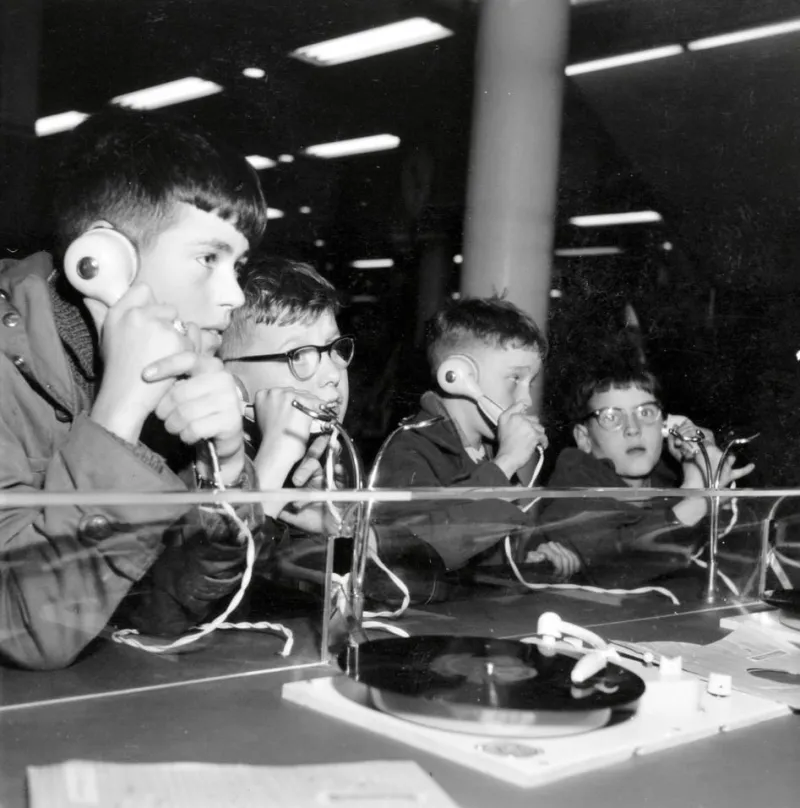
Photo: Nationaal Archief, No restrictions, via Wikimedia Commons
Streaming has made us all fantastically efficient. We can summon any album ever recorded, skip the boring bits, and let an algorithm decide what we deserve next. It is a marvel. It is also a bit like eating a sandwich while walking: functional, fast, and slightly joyless. The record-shop listening booth is the opposite. It is slow, awkward, social, and occasionally smells of cardboard. In 2026, that makes it a culture fix.
The ritual goes like this. You flip through sleeves until one catches your eye. You take it to the counter, trying to look like a person who definitely knows what a pressing plant is. You ask if you can hear it. The staff member nods, points at a booth, a deck, or a corner with a turntable and a pair of headphones that have seen things. You step in. The shop noise fades. For three minutes, you are the centre of your own tiny cinema for the ears.
Here are three UK shops where that moment is worth the detour. Not because the records are rare, though some are. Not because the coffee is good, though it often is. Because the listening booth turns browsing into an event.
Rough Trade East, London: The Big Top With a Turntable
Rough Trade East sits in the old Truman Brewery on Brick Lane, a part of London that has spent decades being reinvented and is now mostly a backdrop for people filming themselves buying bagels. The shop is big, bright and busy. There is a stage. There is a cafe. There are enough staff to form a decent five-a-side team.
What makes it a culture fix is the listening post: a small pocket of calm in a building that otherwise hums with the sound of people deciding whether to buy a tote bag. You can take a record to the counter, ask for a listen, and be installed at a turntable with headphones. It is not a velvet-lined boudoir. It is a shop. But that is the point. You are auditioning music in public, with a slight sense of occasion and the mild fear that someone will judge your choice.
This is where the sleeve notes come in. A good record sleeve is soft furnishing for the mind. You stand there, holding the cover, reading the credits, squinting at the font, and the music has a physical context. The booth makes you pay attention. You cannot scroll. You cannot skip. You can only stand and listen, which in 2026 feels almost rebellious.
Go on a weekday afternoon if you can. The light comes through the windows, the shop is less frantic, and the staff have time to offer a recommendation that is not just the biggest new release. Ask them what they have been playing in the shop. Then ask to hear it. That is the whole game.
Piccadilly Records, Manchester: The Northern Quarter Audition Room
Piccadilly Records on Oldham Street is a Manchester institution, which is a polite way of saying it has survived recessions, rents and the general chaos of the Northern Quarter becoming a place where you can buy a £7 cinnamon bun. The shop is long, deep and packed with records. It feels like a place where opinions are formed and then defended over a pint.
The listening post here is less of a booth and more of a back-of-shop confession. You take your sleeve to the counter. You do the little dance of asking whether you can hear it. The staff member finds a deck, hands over headphones, and leaves you to it. There is no curtain. There is no velvet. There is just you, a record, and the low hum of a shop that knows exactly what it is doing.
What I love about Piccadilly is the way the listening ritual feels like an audition. You are not just checking whether the vinyl is warped. You are checking whether the record deserves a place on your shelf. That is a serious question. Shelves are finite. Rent is not. The booth makes you decide with your ears rather than your thumb.
Manchester weather helps. You come in from the rain, shake off your coat, and disappear into a record for ten minutes. It is cheaper than therapy and better than another scroll through a streaming queue that has started recommending albums based on the fact that you once listened to a podcast about bread. The Northern Quarter is full of places to eat, drink and pretend you are in a music video. Piccadilly Records is the one where you actually listen to music.
Monorail Music, Glasgow: The Booth That Thinks It's a Cinema
Monorail Music lives inside Mono, the vegetarian cafe and bar in Glasgow's Merchant City. This means you can buy a record, eat a plate of something beige and delicious, and then go back and buy another record because the first one made you emotional. It is a dangerous arrangement. It is also a brilliant one.
The shop is small, carefully stocked and staffed by people who seem genuinely delighted to talk about music without making you feel like an idiot. The listening station is basic in the best way: a deck, headphones, and a corner that feels like a tiny screening room for one. You put the needle down and the cafe noise becomes a soundtrack rather than a distraction.
Glasgow has a long history of making music feel like a public good rather than a luxury product. Monorail carries that spirit. The booth is not there to upsell you. It is there so you can hear the thing before you buy it. That sounds obvious. It is also increasingly rare. In 2026, we are used to hearing everything and owning nothing. Monorail reminds you that listening can be a deliberate act.
My advice: go in with no plan. Pick up something with a cover that looks like it was designed by a art student in 1974. Ask to hear it. Stand there for the whole side. Then decide. You will either buy it or you will leave with a story. Both are good outcomes.
The Ritual Is the Point
The listening booth is not a relic. It is a small piece of theatre. It asks you to slow down, to trust a stranger, to make a decision with your ears. It is also a reminder that record shops are not museums. They are places where culture is handled, argued over and taken home.
So in 2026, when your streaming queue is endless and your attention is shredded, find a shop with a booth, a deck or at least a pair of headphones that look like they have been through a war. Flip a sleeve. Ask a human. Step into the little room. Let the needle drop.
Three picks, one brilliant UK culture fix. And if you come out with a record you did not plan to buy, that is not a failure. That is the booth doing its job.